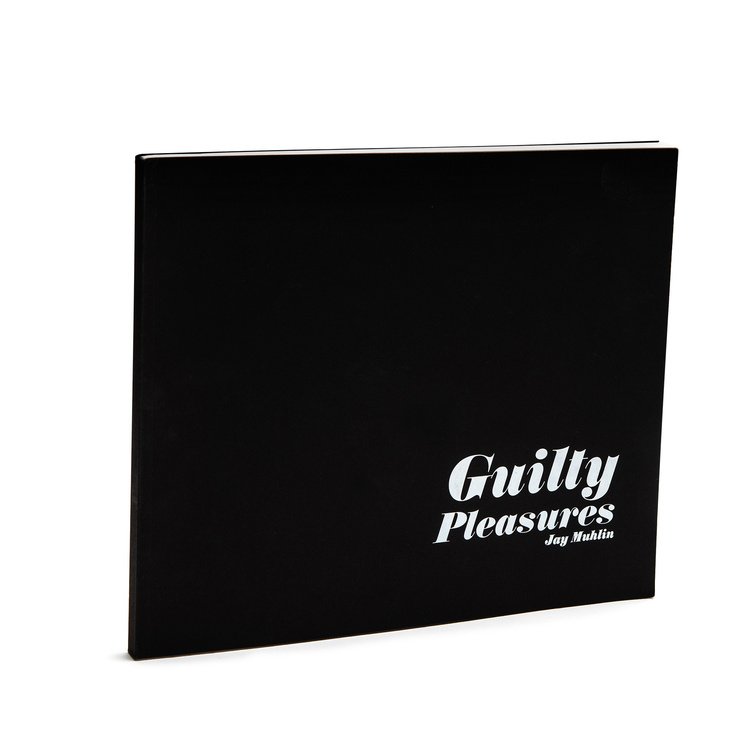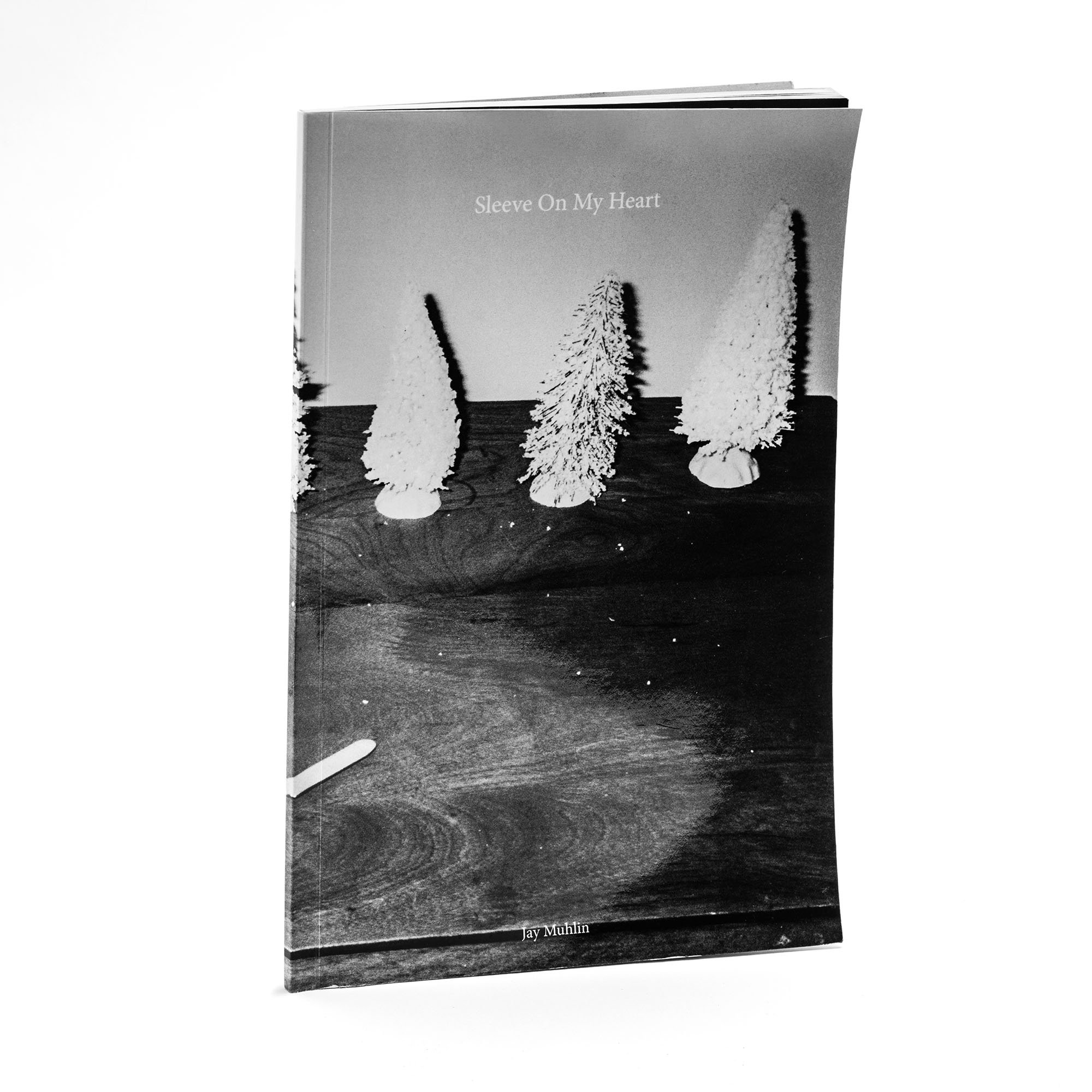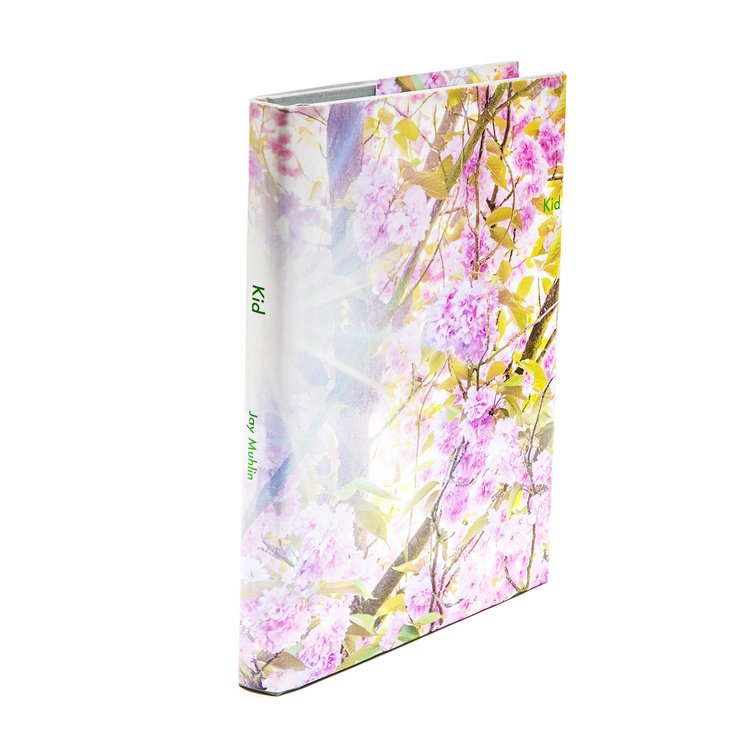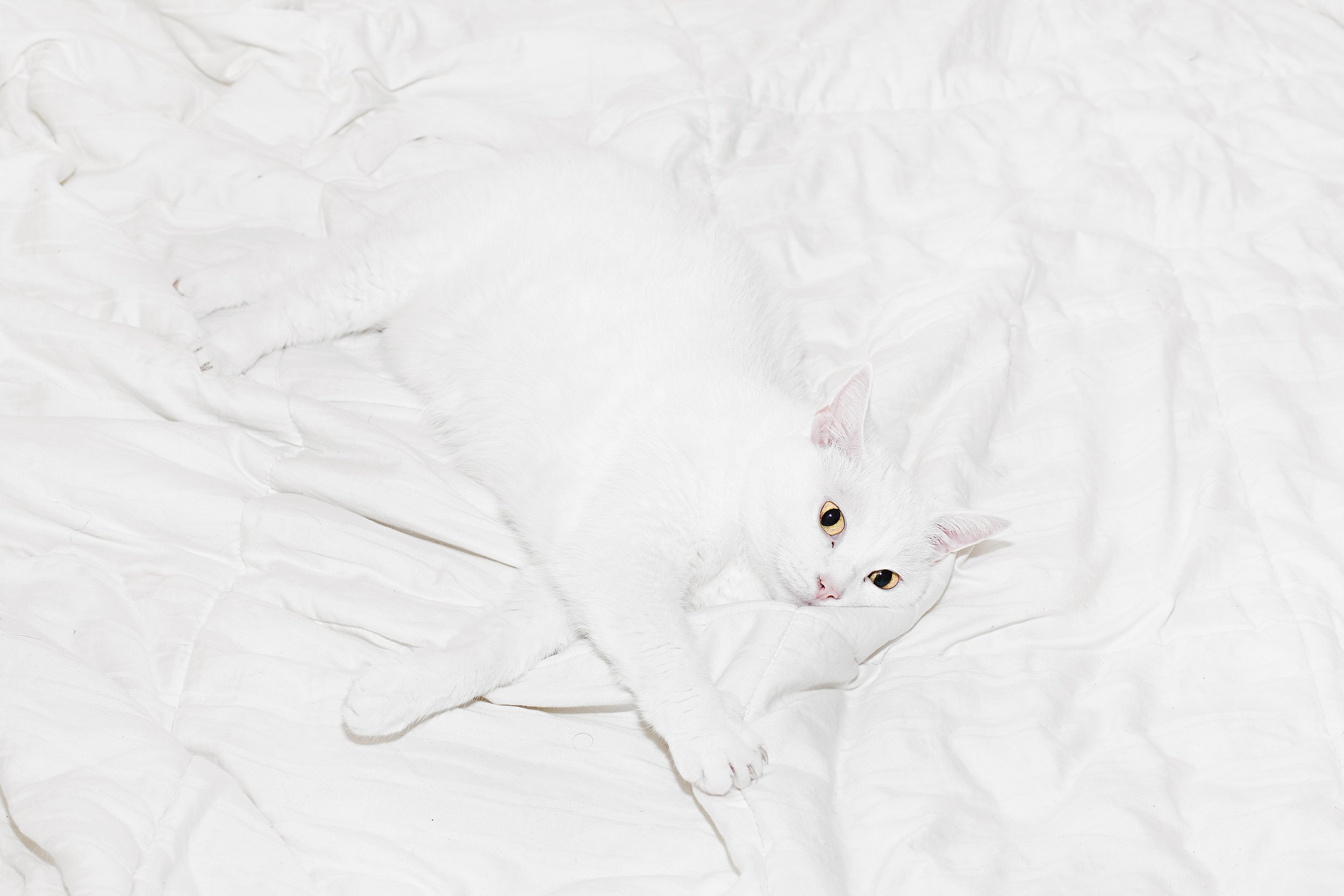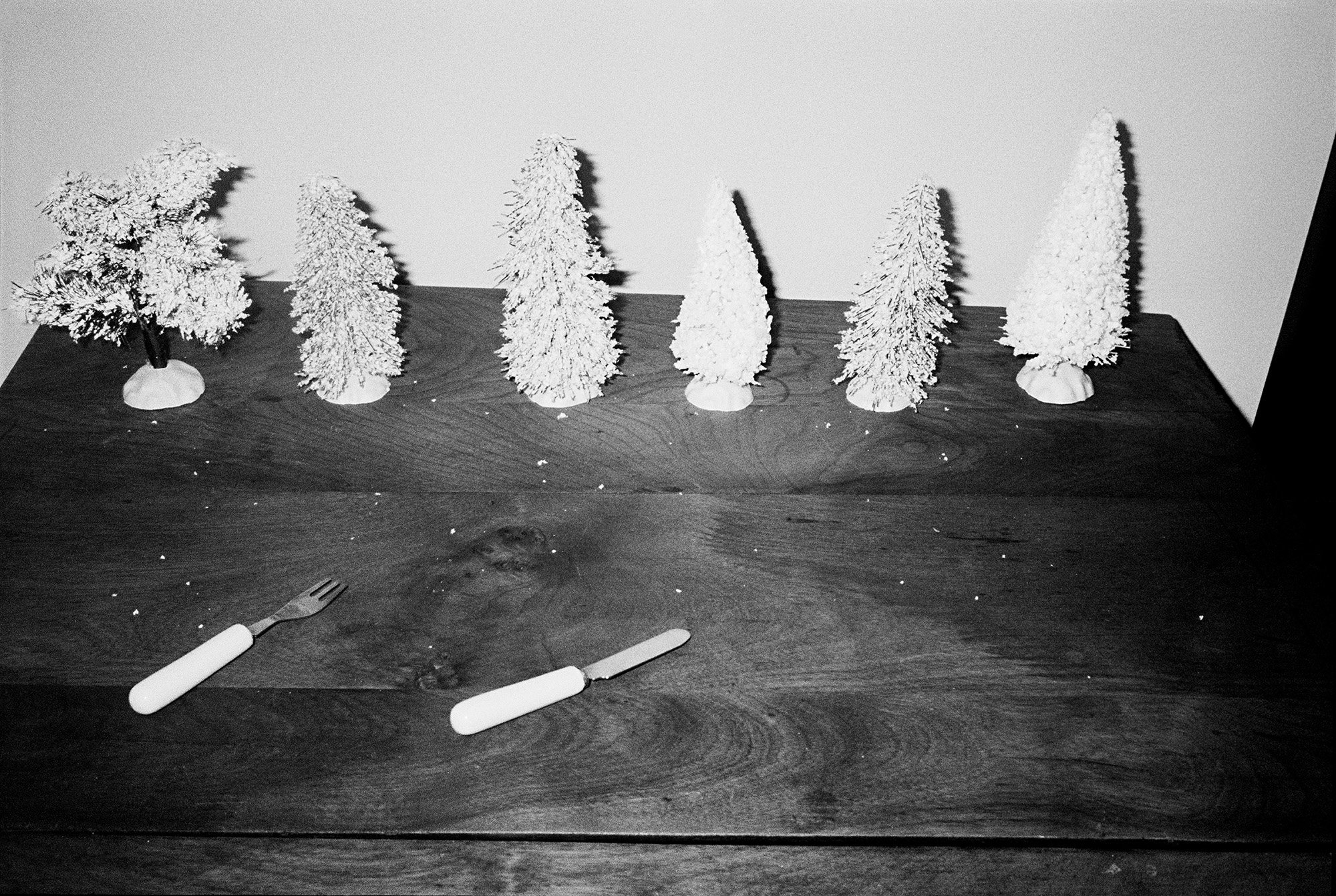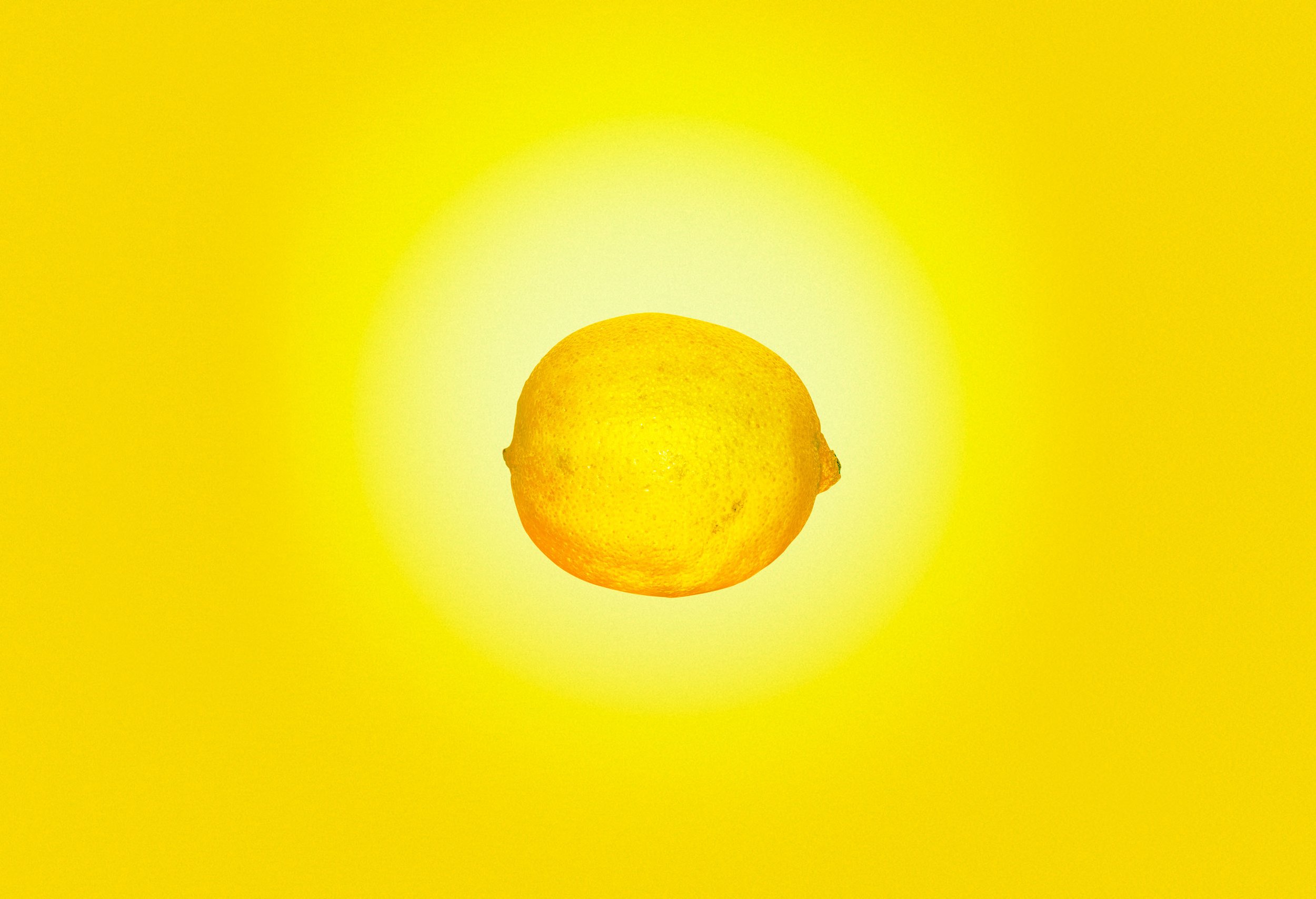
Guilty Pleasures locates our need to find solace and pursue happiness. Guilty not as a form of personal judgement but in terms of the narcissistic human need to seek personal comfort. Winter presents an unwelcoming world outside, pushing us towards a bleak confinement. We go inward in our lives, psyches and homes in order to console ourselves. This project was photographed in Syracuse NY during a nearly record-breaking winter of snow fall. Being inside can build a manic state with the snow accumulating outside. A hermetic wold of friends serves as a self portrait and a document of winter.
When I was a teenager, my mother had a vivid dream that in the future we were in Japan together. Over a decade later, a friend invited me to visit his family in Japan, and I asked if I could invite my mother. I had not spent an extended amount of time with her since childhood. Many days during our trip, we could only communicate with each other. Isolated together in unfamiliar places, dislocated from our history.
Ritual Ties is a book culled from a series of paper ties created and designed while working at an office job. The paper ties were made daily (or as close to as I could afford the time at work) as a creative challenge to myself. They were designed from materials I was working on for the magazine or ideas, or current events that entered my thoughts. The process became a creative outlet and a kind of performative sketchpad, as I would wear each new tie and clip it to my shirt and conduct my duties around the office. The tie was the message board for the images; with the tie shape in mind, it became a framework in which to encode a daily message. Most often they were a loose commentary on masculinity using images and patterns that spoke to roles and desires of men.
Passerby consists of images made while traveling at 55mph or faster in an eighteen-wheel truck. Over the course of driving hundreds of miles through the American West, I amassed a collection of over twenty thousand photographs. I am editing these images into different formal presentations; a cinematic three channel video installation slide show, a single channel version with narrower visual themes, a photographic book of about 100 images, and a smaller book of images paired with drawings.
The photographs from Passerby conjoin the voyeuristic act of seeing and photography’s ability to render a subject’s image in the landscape at high speeds. Navigating the Western landscape through the myopic view from the window, distance and time collapse and become intertwined within the shifting landscape. Landmarks become obscure and passer-bys are barely noticed. A decaying sense of the local is further broken down by the homogeneity brought on by road culture, erasing the specificity of place. Our collective mythology of the American road trip creates an unrealistic image of America. Making the images involved a process of active looking and confronting the dislocation from the place that is part of the traveler’s experience. Compounded by moving at high speeds, the photographs are removed from the initial experience and context of seeing through human vision. Passerby is a meditation on seeing the American West.
I didn’t know what to expect when I first joined a paranormal investigating group.
I have always been interested in the occult and the unexplainable, and I have certainly experienced things that can’t quite be explained. The group offers a democratic and supportive environment to explore the unknown. The locations explored are often charged with a collective history and often have been sites of previous acts of violence. Photography’s failure to properly document what is barely perceived makes the resulting images more of a document of the act of looking and the process of pursuit. There is a beauty in searching in the darkness: an act of openness to the possibility and believing. Patiently waiting in the dark and straining to listen and see, seeking the paranormal is seeking in ourselves the thresholds of what is human.